



Guest User
Login
#0 Rank0 Coins
Dashboard
 Notification
 Coins
CoinsGames Categories
 New Games
Connect with us



 sports
 action
 cricket
 arcade
 racing
 adventure
 girls
girls boys
boys hot
hot moresportsactioncricketarcaderacingadventuregirlsboyshotmore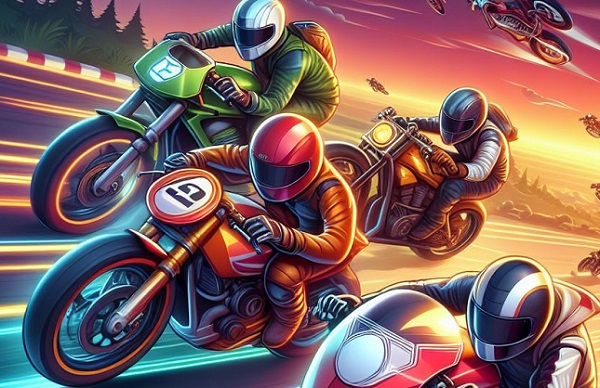
In the regularly improving landscape of online games, first-person shooters, also known as FPS and racing games are known to offer two distinct gaming experiences. The best part is that each type of game offers something unique to engage its users.
Although their presence can be seen all across the world, the popularity of FPS games has surpassed the fame of racing games. If you are still unable to understand it, let’s have a deep look at the must-know fundamental differences between these two popular genres along with their different appeal, and, of course, their major impact on the gaming environment.
The lovers of first-person shooters are available in a great number as compared to those who like to be engaged in the racing-based games due to their easy and quick accessibility. In general, navigating three-dimensional spaces, aiming and shooting mechanics are discussed in many popular FPS titles like iconic Call of Duty or Halo series.
Players have to focus generally on shooting, reloading and taking cover while exploring the core actions in FPS games. So, any gaming freak from any part across the world can pick FPS games and play for as many hours as he or she wants.
While, on the other hand, racing games come with different set of skills and require the understanding of vehicle dynamics. It becomes imperative to go through the intricacies of vehicle handling, mastering the useful controls related to acceleration and steering and optimizing racing lines.
These specialized skills ask for practice and time, which is something that could make racing-based games pretty difficult to access especially to casual players who come online in search of fun in a short time.
Narrative element is also known to another significant factor that plays a very important role in defining the disparity in popularity between racing and FPS games. Story-driven experiences are the demand of today’s gaming culture.
With immersive worlds, deep character development and rich narratives, titles like Red Dead Redemption and The Last of Us has won the hearts of many gamers from all across the globe. Character arcs and elaborative storylines are the two important features of FPS games like Halo and Call of Duty. These features help players get engaged for long.
Although incorporate narrative elements are generally available in racing games, it is common to experience the mechanics of racing and competition. Several games like Need of Speed and Forza Horizon are known to weaving stories into their gameplay, but users get a chance to enjoy a completely unique racing experience. So, the lack of deep narrative could be seen in racing games, which keeps players invested over long periods.
The upsurge in the number of gamers involved in online multiplayer and esports has also given the boost to FPS games. The objective-driving and team-based gameplay have attracted the eyeballs of many gamers, allowing them to play against other players, which might be from any part of the world.
Players can explore multiple modes like search and destroy, capture the flag and battle royale, which allow them to engage for long and come back again and again. Esports has also played a very important role when it comes to taking the craze of FPS games to a completely new level. The strategic depth and fast-paced action make these games suitable for all those players who love the competitive play and look for a robust community of players and fans.
Technological challenges create a base for the development of racing games. physics modelling and sophisticated graphics make racing experience compelling. They are useful in tracking environments, simulating vehicle behaviour and promoting driving experiences.
It’s not been easy to achieve such high levels of loyality in racing games as compared to the character models and environments used in FPS games.
But, the regular improvements in simulation technology and graphics are playing a very important role in supporting this gap. It’s possible these days to find the modern PCs and consoles in the market and enjoy the games with improved visuals and realistic physics.
As a result, the number of players who love to be involved in racing games is increasing day by day. The improved technological world makes sure that we can hope for the increasingly immersive and realistic experiences.
Another dimension of their popularity could be revealed with the cultural impact of racing games versus FPS games. Characters used in FPS games can be from the mainstream culture like TV shows, films and extensive merchandising.
While, racing games come with a dedicated fan base and the possibilities are that they could missed achieving the same level of cultural saturation.

Atmegame.com is a completely new platform for the online games lovers.The best part is that all games available on our website are free and can be enjoyable on multiple devices, including desktop, mobile phones, tablets, and iPhones or iPads.